SUSTAINABILITY
Our active take on lasting.
The most sustainable bottle is the one that never needed to be made. We work backwards from that: fewer products, made rarely, made properly.
PRINCIPLES
Do more with less.
01
Fewer products
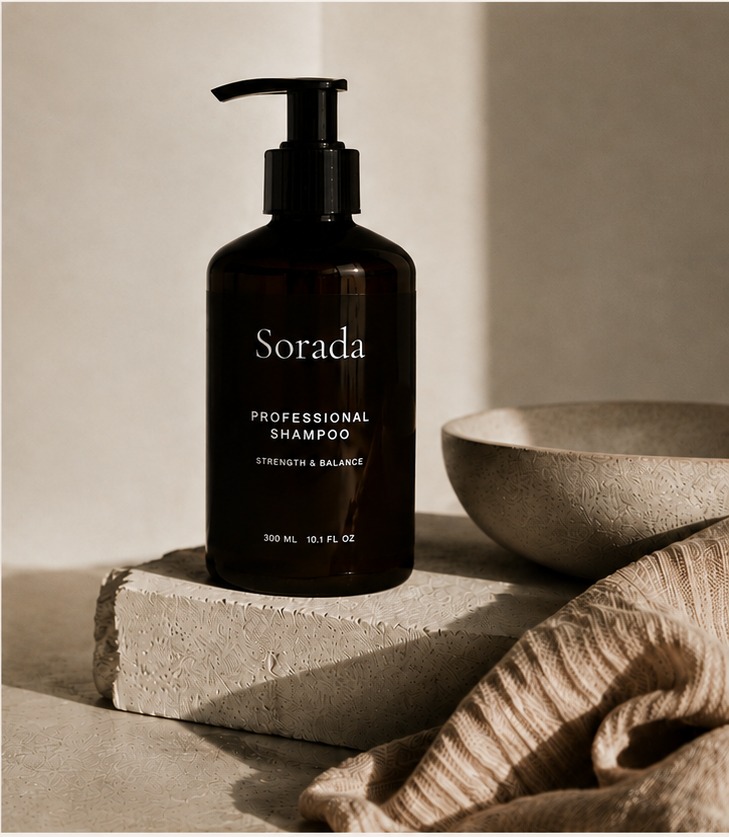
A short, deliberate range replaces the shelf of half-used bottles. Every formula has to earn its place — or it is not made at all.
02
Solid where solid works
A shampoo bar is mostly formula. Taking the water out removes the plastic, the weight and the freight — but we only do it where the result holds.
03
No launch calendar
We release a formula when it is finished, not when a season demands novelty. Nothing is discontinued to make room for a trend.
04
Formulated to be used up
Concentrated actives mean less product per wash. A bar that lasts three bottles is a sustainability decision made at the bench.
PRODUCTION
Maximum potency, minimal waste.
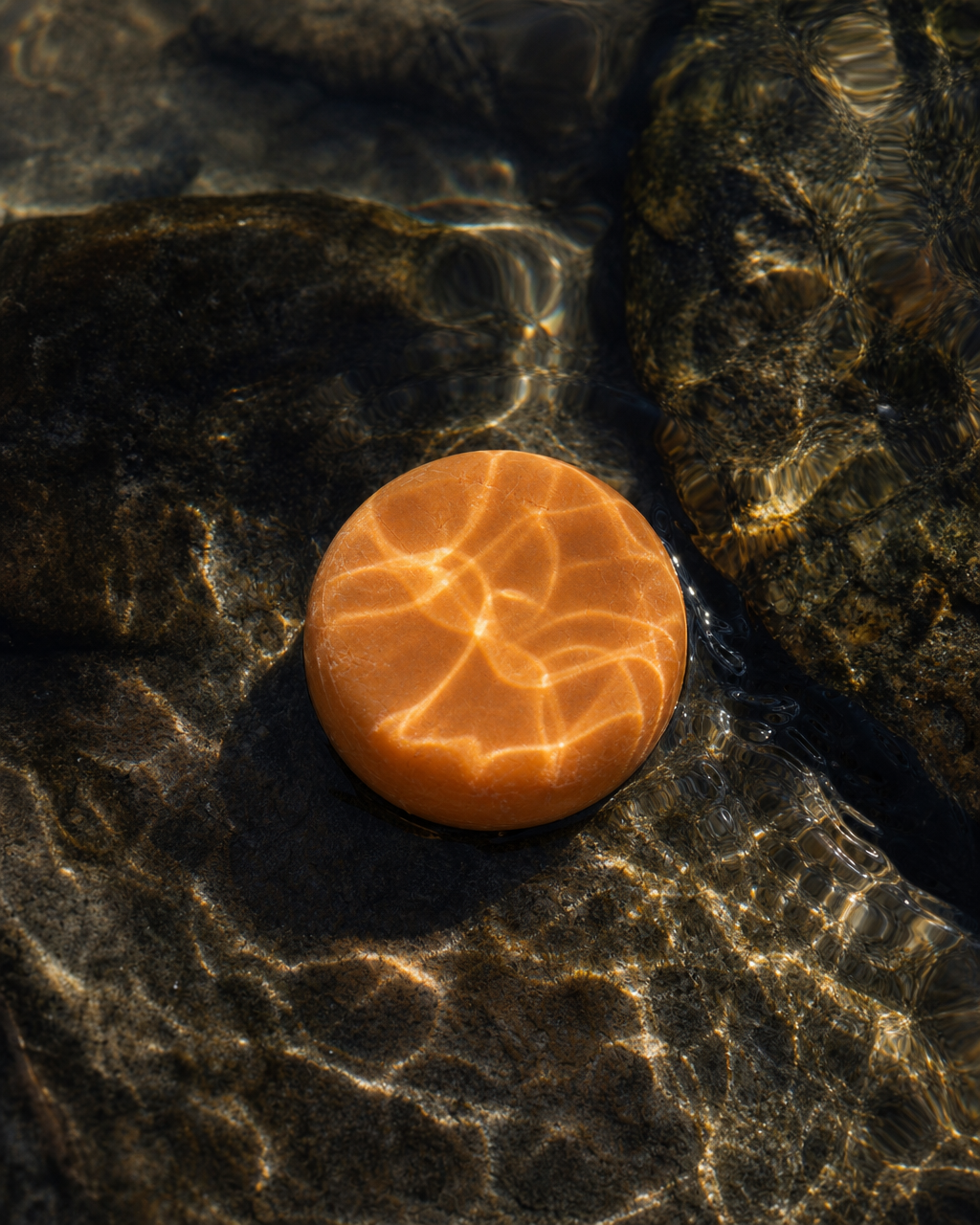
We make in small, fresh volumes in our own facility. Potency degrades with time on a shelf, so we would rather run again than run long.
Owning the production means we plan against real demand instead of forecasting into a warehouse. Low inventory, no clearance, no overproduction.
Raw materials are bought for the formula, not for the price break. When a supplier offers a cheaper grade, the answer is the same as it has always been.
Every batch is traceable to the materials that went into it — the same control that keeps quality also keeps waste visible.
IN-HOUSE
Made where the formula is decided.
Every batch is produced in our own facility, not outsourced to a contract manufacturer chasing volume elsewhere.
Raw materials arrive in bulk and travel only once — from supplier to our facility, then directly into the formula. No detours through third-party warehouses or co-packing halls.
Finished products leave the same building they were made in. That removes an entire lane of freight most brands accept as normal.
In-house production means we can make only what is needed, when it is needed. Less inventory in transit, less inventory waiting on shelves, less waste at every step.
MATERIALS
Packaging chosen to protect the formula.
Paper, not plastic
Solid formats travel in printed board — recyclable, light, and enough to protect the product without a second layer of film.
Nothing decorative
No inserts, no sleeves, no filler tissue. If a component does not protect the formula or carry required information, it is removed.
Made where it is made
Production and packing sit in the same place, which removes a set of shipments most brands never see on an invoice.
Samples with intent
We are deliberate with samples and gifting. A sachet that ends up unopened is simply waste with a logo on it.
WHAT WE DO NOT CLAIM
We will not call this finished.
We are not carbon neutral, and we will not buy a badge to appear so.
No formula is entirely without impact. What we can promise is that no ingredient is in a Sorada product for storytelling, and none has been cut to protect a margin.
Where we improve, we will say what changed and why. Where we have not yet, we will say that too.
WHAT WE DO FOR THE ENVIRONMENT
We measure the load, not just the label.
A solid formula is mostly formula. Removing the water also removes the volume that liquid shampoos need to ship.
3 × 7 × 7 cm
One shampoo bar
147 cm³. The size of a bar that fits in the palm of a hand.
3.5 L
Equivalent washes
One bar replaces roughly 3.5 litres of professional liquid shampoo.
≈ 24×
Less transport volume
A standard 1-litre bottle is roughly 25 × 9 × 4.5 cm (≈ 1,000 cm³). 3.5 of them ≈ 3,500 cm³. One bar is 147 cm³. That is about twenty-four times less space for the same number of washes.
REFILL
Dump the pump.
We ship refills without a new pump or spray top every time. The same bottle keeps working. The planet keeps fewer disposable pumps out of circulation.
The saving is passed on directly.
10%
Refill
One refill in a bottle or pouch. Keep the pump you already have.
15%
Refill DUO
One bottle with a pump or spray top, plus one refill bottle with a screw cap or refill pouch.